- Home
- About Menchuka
Discover the history, culture, geography, and timeless traditions of one of Arunachal Pradesh's most beautiful Himalayan valleys.
About Menchuka
Menchuka (also spelled Mechuka or Menchukha) derives its name from Tibetan words and is commonly understood to mean: “Men” (སྨན) means Medicine, “Chu” (ཆུ) means Water and “Kha” (ཁ) means Snow (or snowy region), according to the local interpretation used in the valley. Together, Men-Chu-Kha is traditionally interpreted as “The Land of Medicinal Water and Snow.”
This poetic meaning aptly captures the valley’s identity as one of Arunachal Pradesh’s most scenic and ecologically rich high-altitude regions.
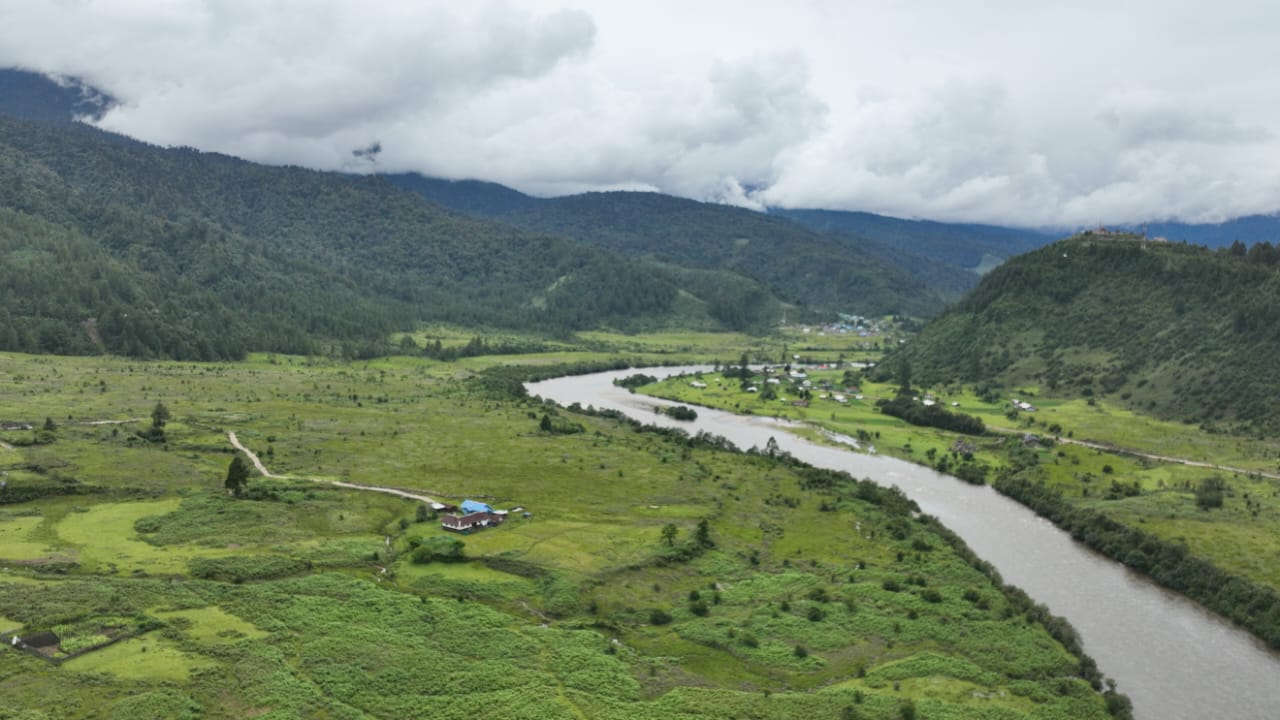
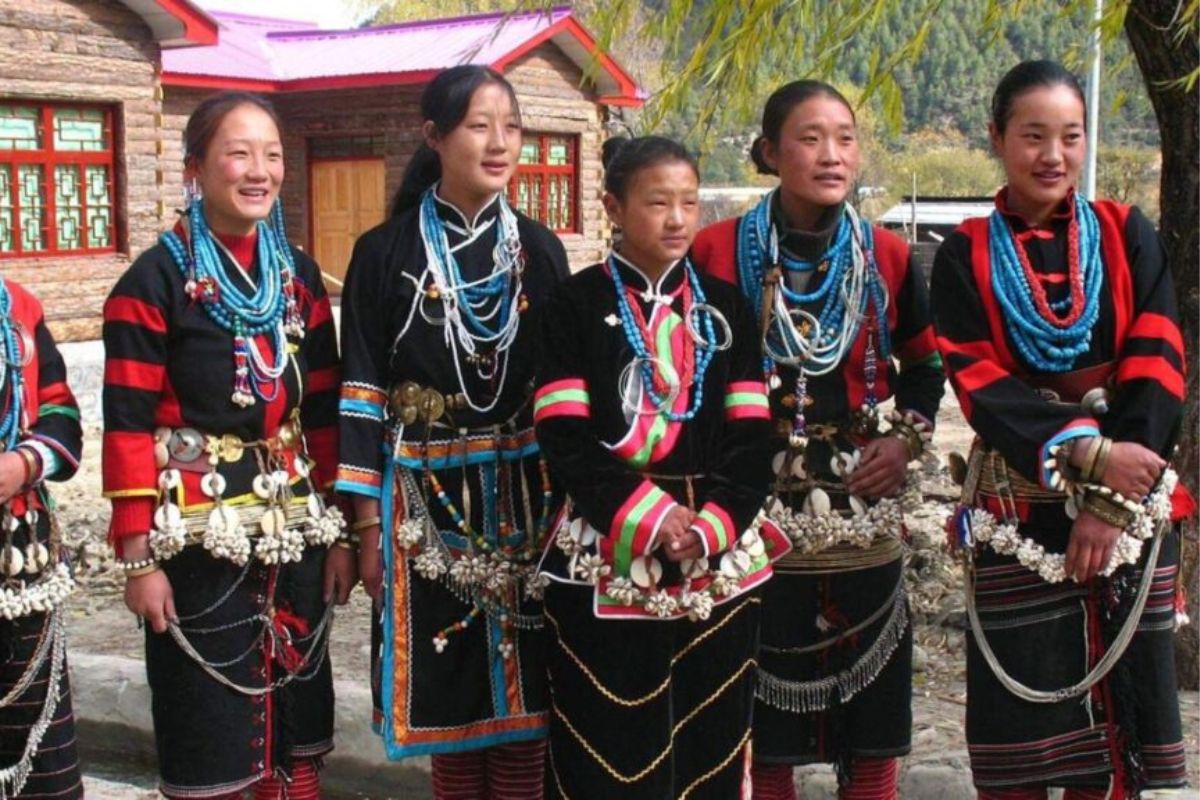
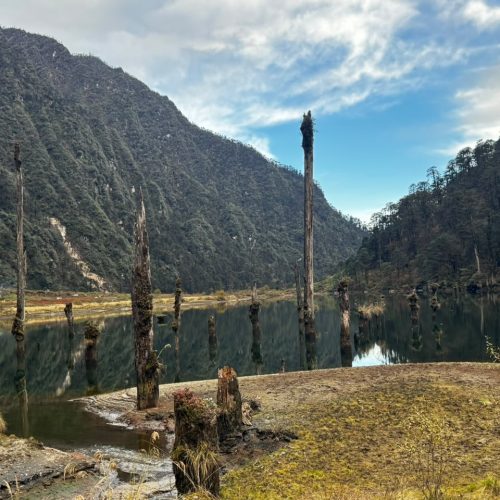
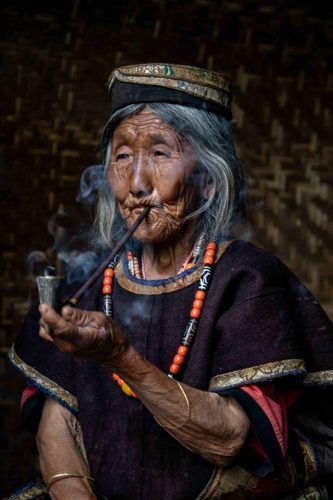
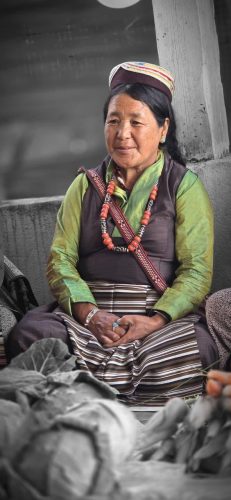
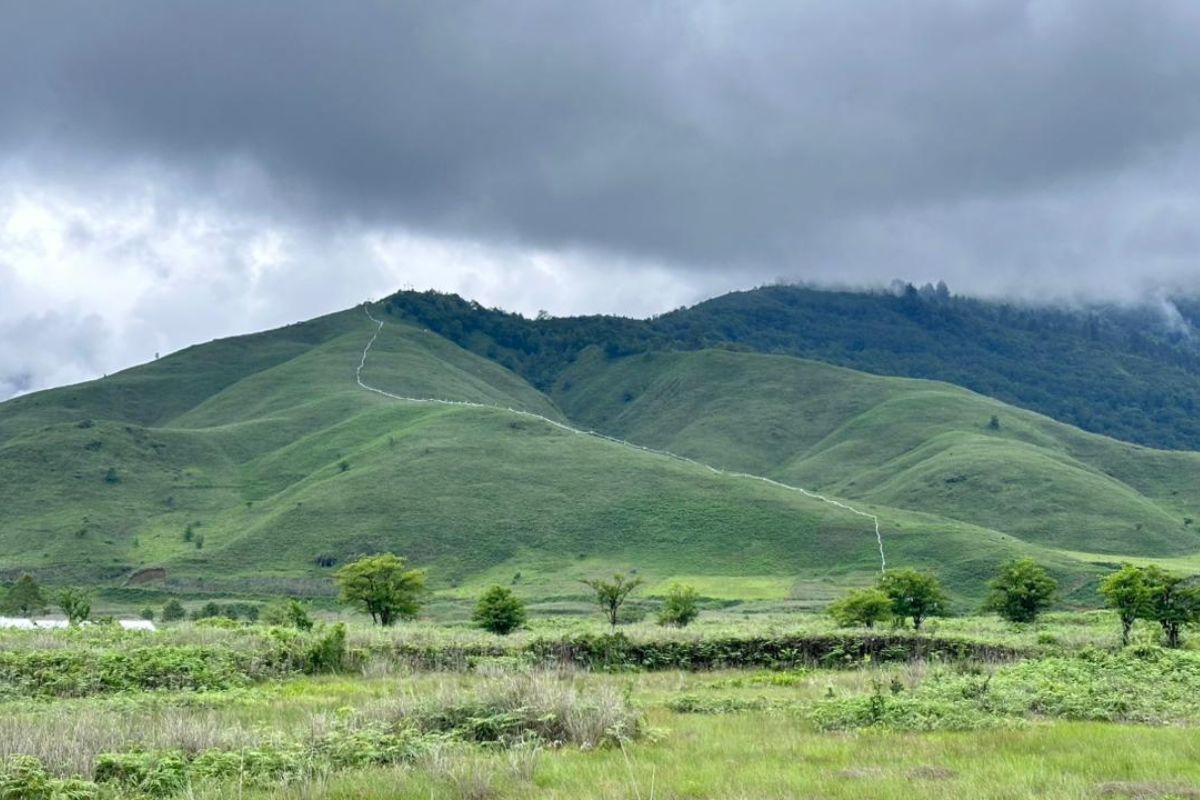
The valley is home primarily to the Memba community, whose culture and Tibetan Buddhist traditions have shaped the region for centuries. Located close to the Indo-Tibet frontier, the valley lies at and altitude of about 6,000 feet and is surrounded by high mountains and alpine forests, rivers, and meadows are rich in medicinal plants, reinforcing the traditional meaning associated with the name. Agriculture, livestock, tourism and traditional handicrafts support the local economy.
A Journey Through Time
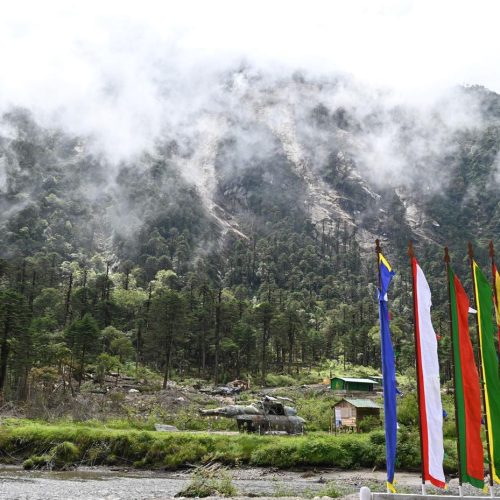
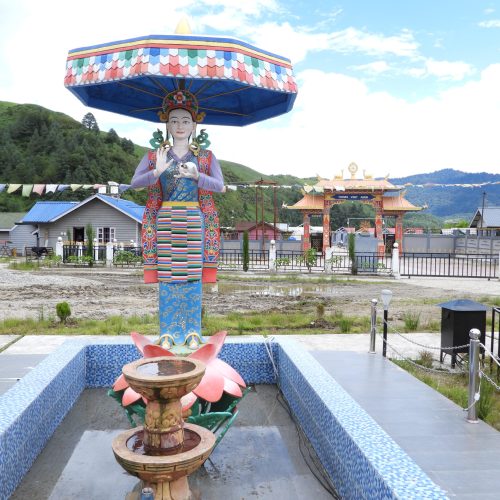
Nestled in the picturesque Shi Yomi District of Arunachal Pradesh, Menchuka is a historic frontier valley renowned for its breathtaking landscapes, rich cultural heritage, and strategic significance. Home primarily to the Memba community, whose roots are deeply connected with Tibetan Buddhism, the valley has served for centuries as an important cultural and trade link between the Himalayan regions of present-day Arunachal Pradesh and Tibet. Ancient trade routes crossing the high mountain passes facilitated the exchange of salt, wool, medicinal herbs, livestock, and handicrafts, fostering enduring cultural ties while preserving the valley’s unique identity.
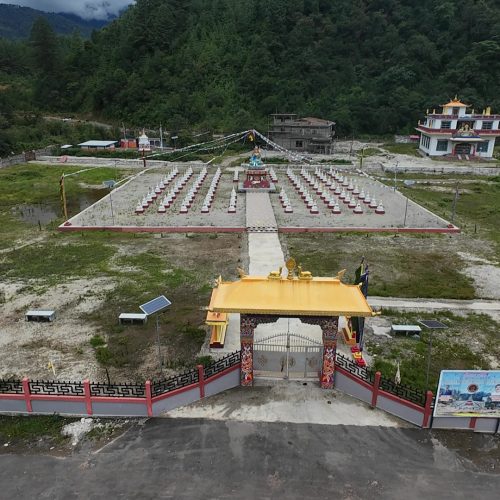
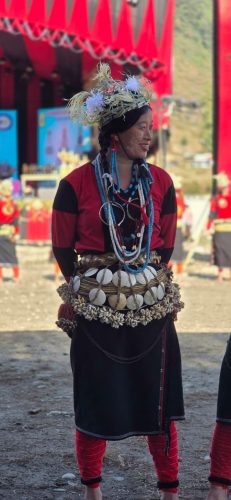
The region is dotted with centuries-old Buddhist monasteries, including the revered Samten Yongcha Monastery, which continues to be an important centre of spiritual learning and cultural preservation. Menchuka’s traditions, festivals, architecture, and way of life reflect a harmonious blend of indigenous heritage and Buddhist influence.
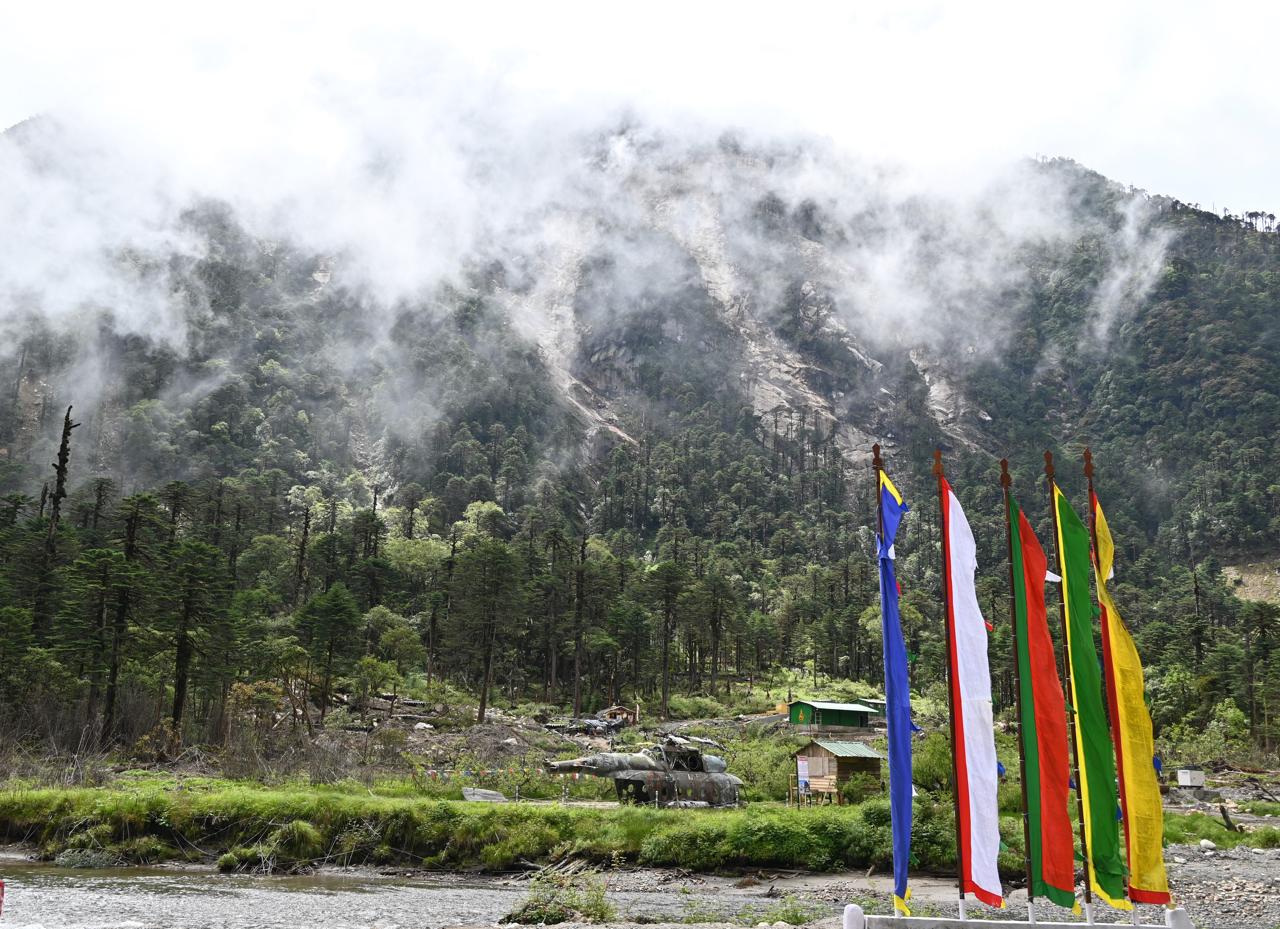
Following India’s Independence, Menchuka assumed greater strategic importance due to its location near the Line of Actual Control (LAC). During the 1962 Sino-Indian conflict, the valley emerged as a significant operational area, highlighting its role in safeguarding India’s northern frontiers. In the decades that followed, improved connectivity, infrastructure development, and close cooperation between local communities and the Indian Army contributed to the region’s steady progress while preserving its cultural and ecological richness.
Today, Menchuka is celebrated not only as one of Arunachal Pradesh’s most beautiful offbeat destinations but also as a symbol of resilience, cultural harmony, and peaceful coexistence. Its pristine rivers, snow-capped mountains, traditional villages, and warm hospitality offer visitors a rare opportunity to experience an authentic Himalayan frontier where history, spirituality, and nature come together.
The Meaning Behind Menchuka
Menchuka (also spelled Mechuka or Menchukha) derives its name from Tibetan words and is commonly understood to mean: “Men” (སྨན) ) means Medicine, “Chu” (ཆུ)) means Water and “Kha” (ཁ)) means Snow (or snowy region), according to the local interpretation used in the valley. Together, Men-Chu-Kha is traditionally interpreted as “The Land of Medicinal Water and Snow.”
This poetic meaning aptly captures the valley’s identity as one of Arunachal Pradesh’s most scenic and ecologically rich high-altitude regions.
Where Mountains Meet the Sky
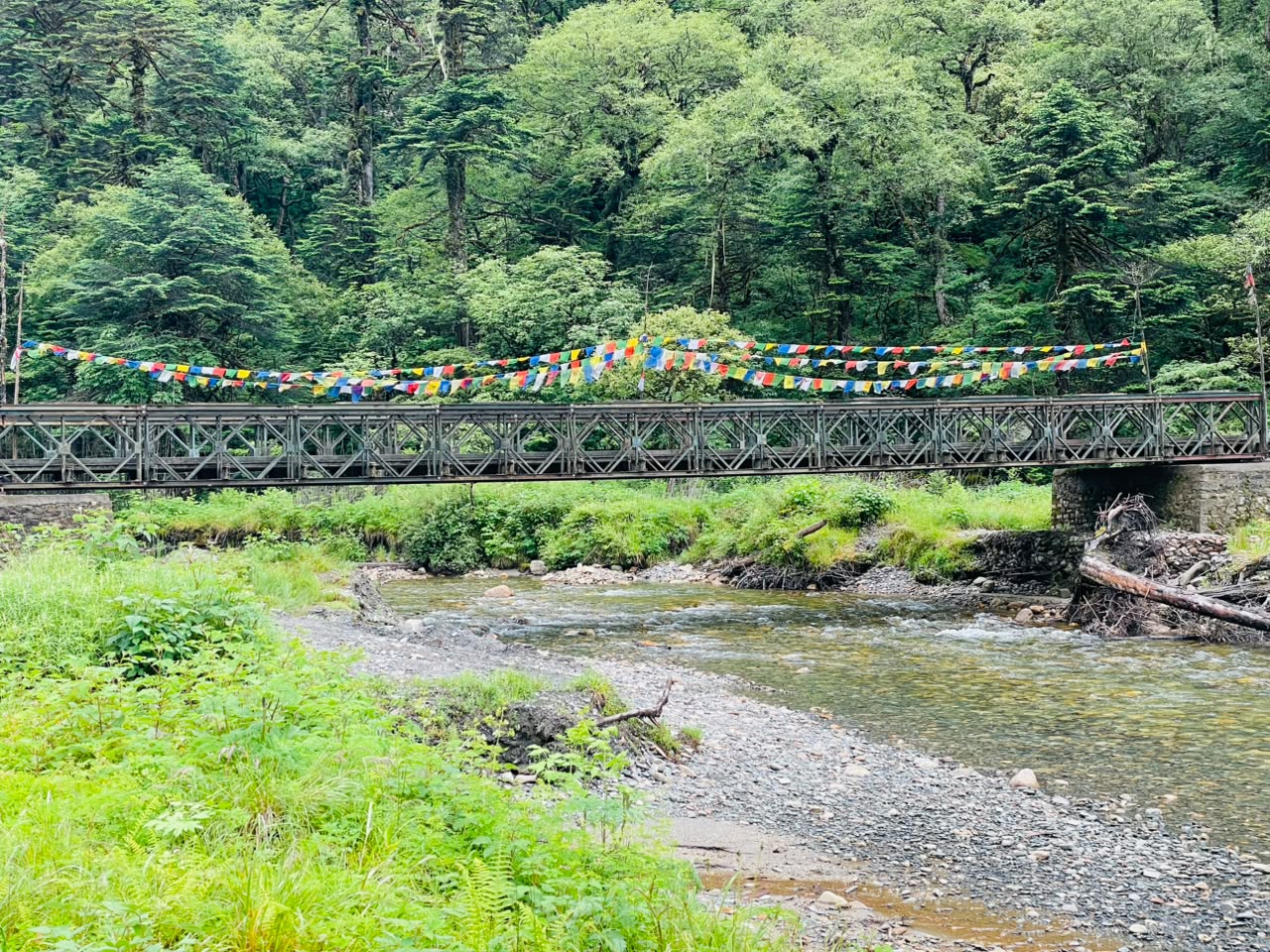
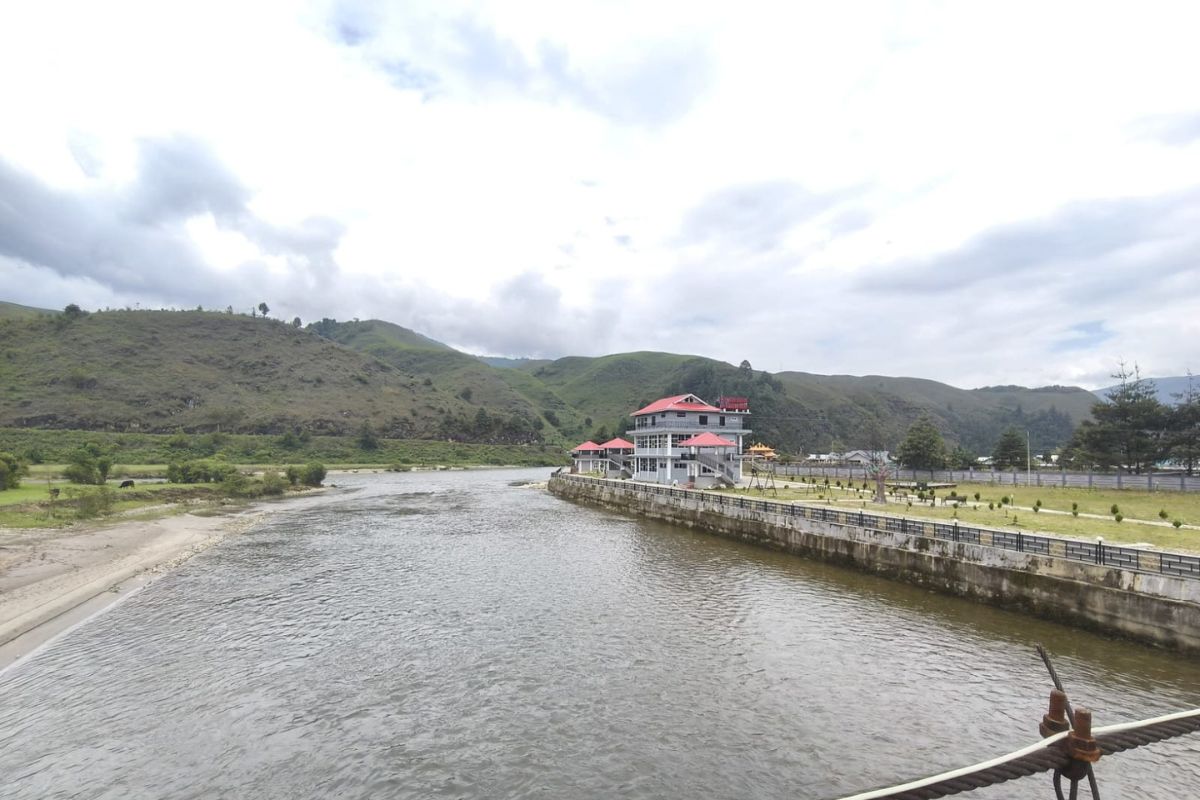
Menchuka is a hidden Himalayan gem where untouched landscapes, ancient traditions, and genuine hospitality come together to create an unforgettable travel experience. Nestled amidst majestic mountains and pristine valleys, it offers visitors a rare opportunity to explore a destination that has preserved its natural beauty and cultural identity for centuries. Every village, monastery, and mountain trail tell a story of resilience, spirituality, and harmony with nature.
Pleasant Throughout the Year
Every season offers a unique experience for visitors.
Menchuka enjoys a cool Himalayan climate throughout the year. Spring and autumn bring clear skies, colorful landscapes, and pleasant temperatures ideal for sightseeing and trekking. Summers remain comfortable with refreshing mountain weather, while winters transform the surrounding peaks into a snow-covered paradise. During the monsoon season, the valley becomes lush and vibrant, though occasional landslides may affect road travel.
A Rich Natural Ecosystem
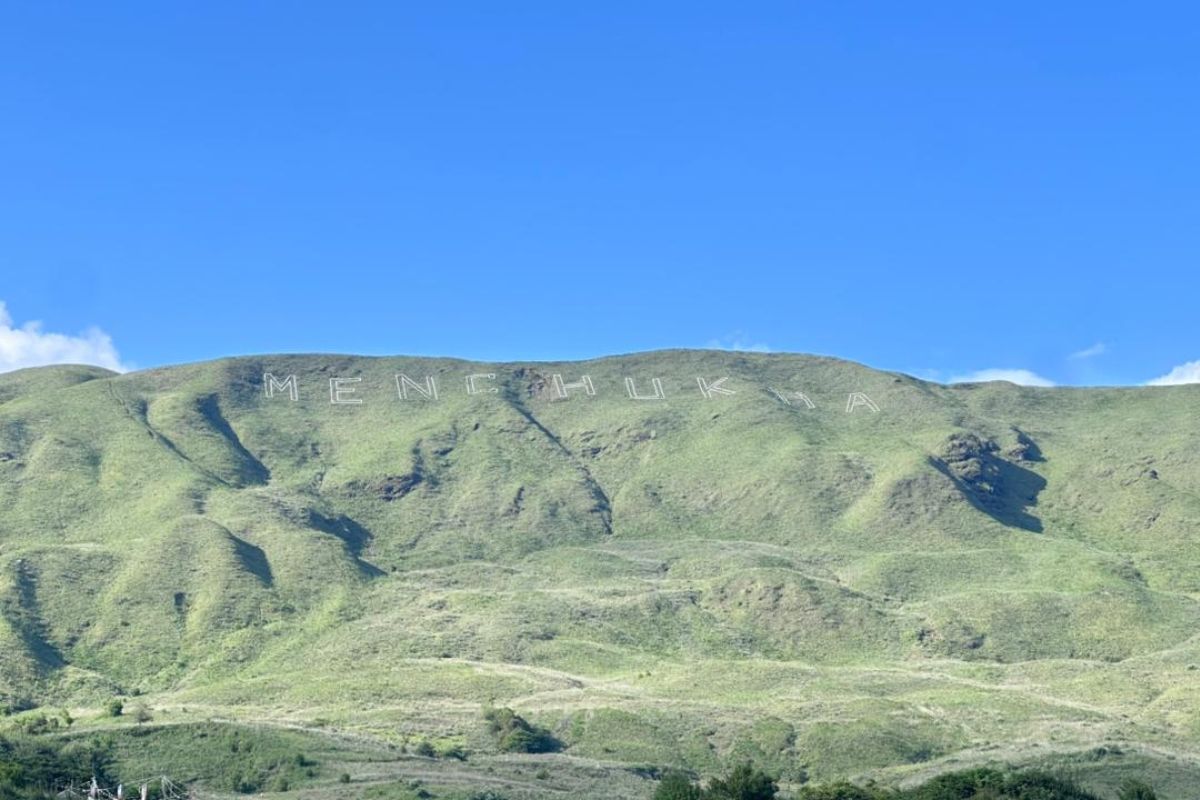
A Gateway to India's Himalayan Frontier
The Heart of Menchuka
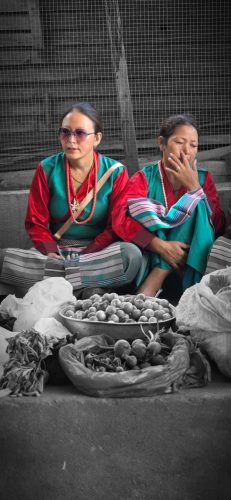
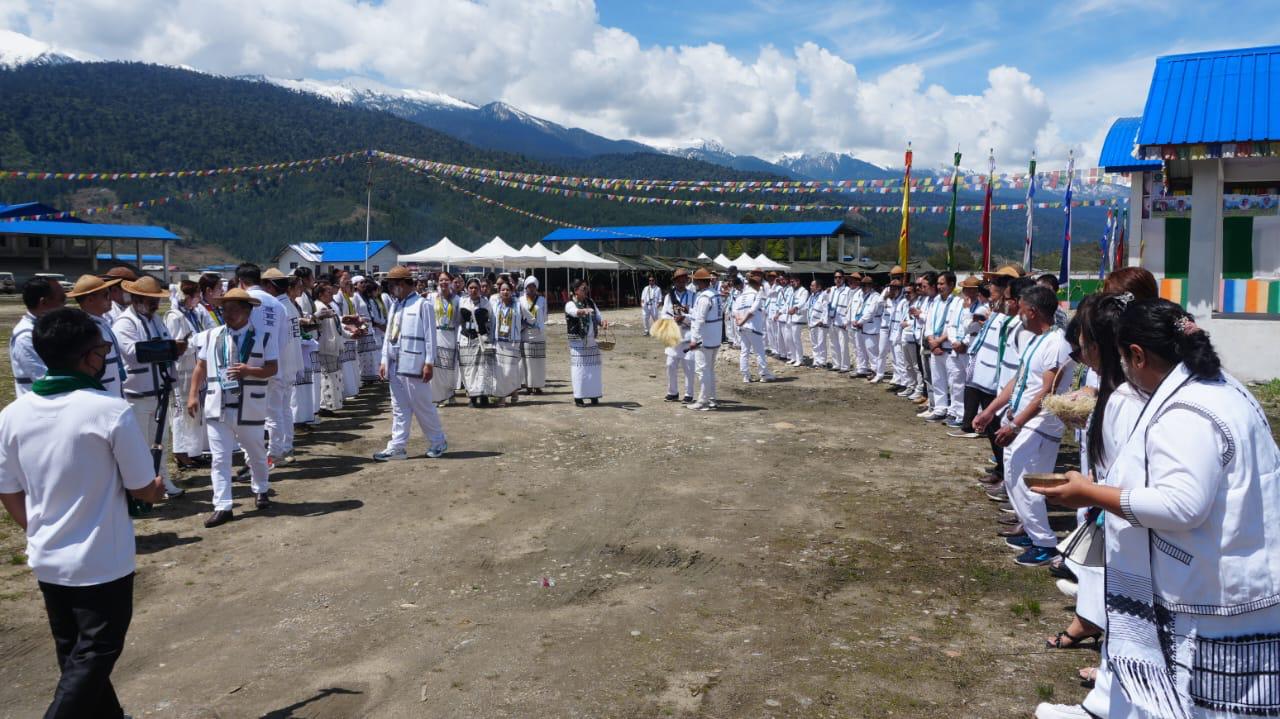
Meet the welcoming people who preserve the valley’s traditions.
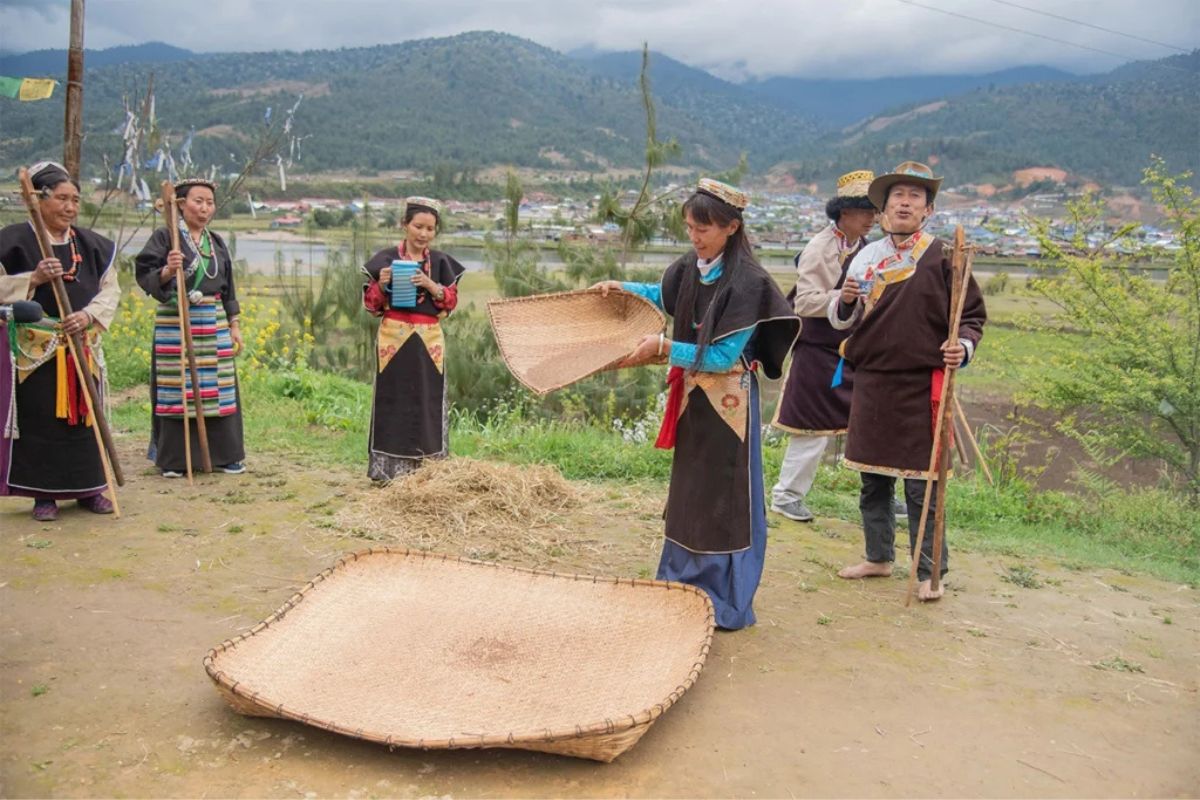
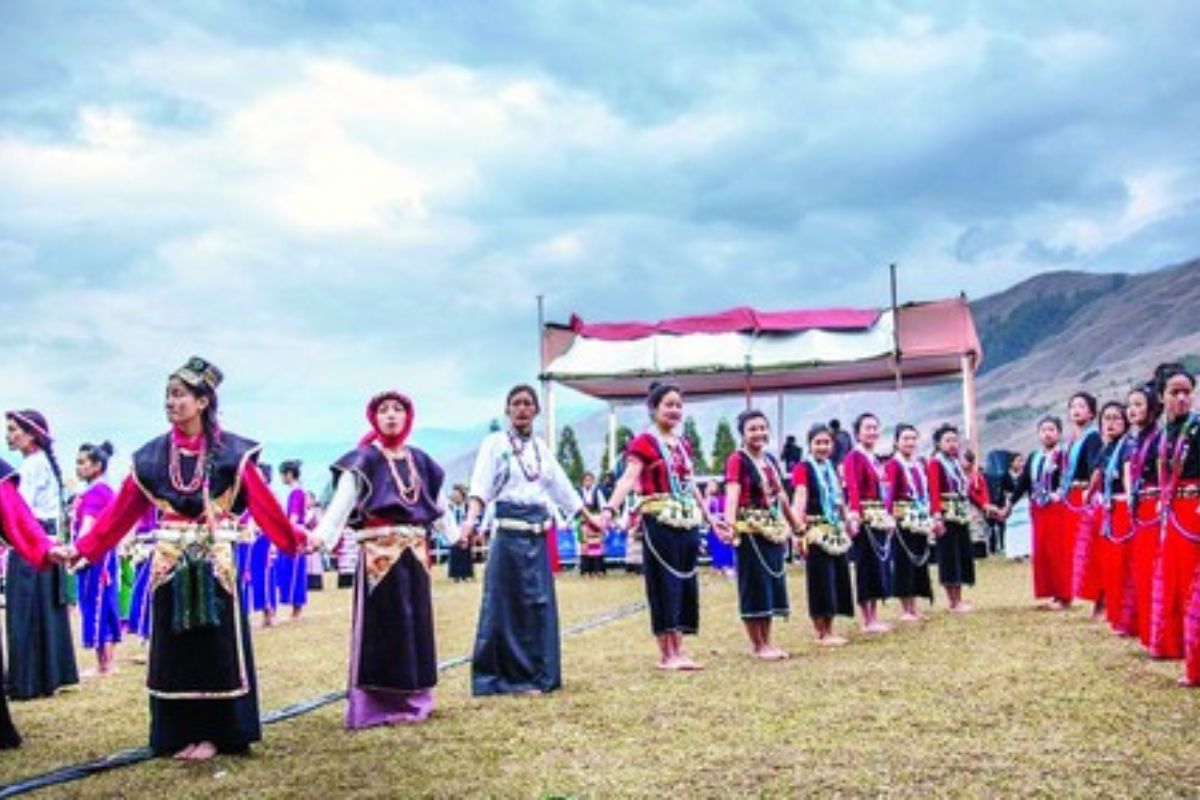
A Blend of Cultural Voices
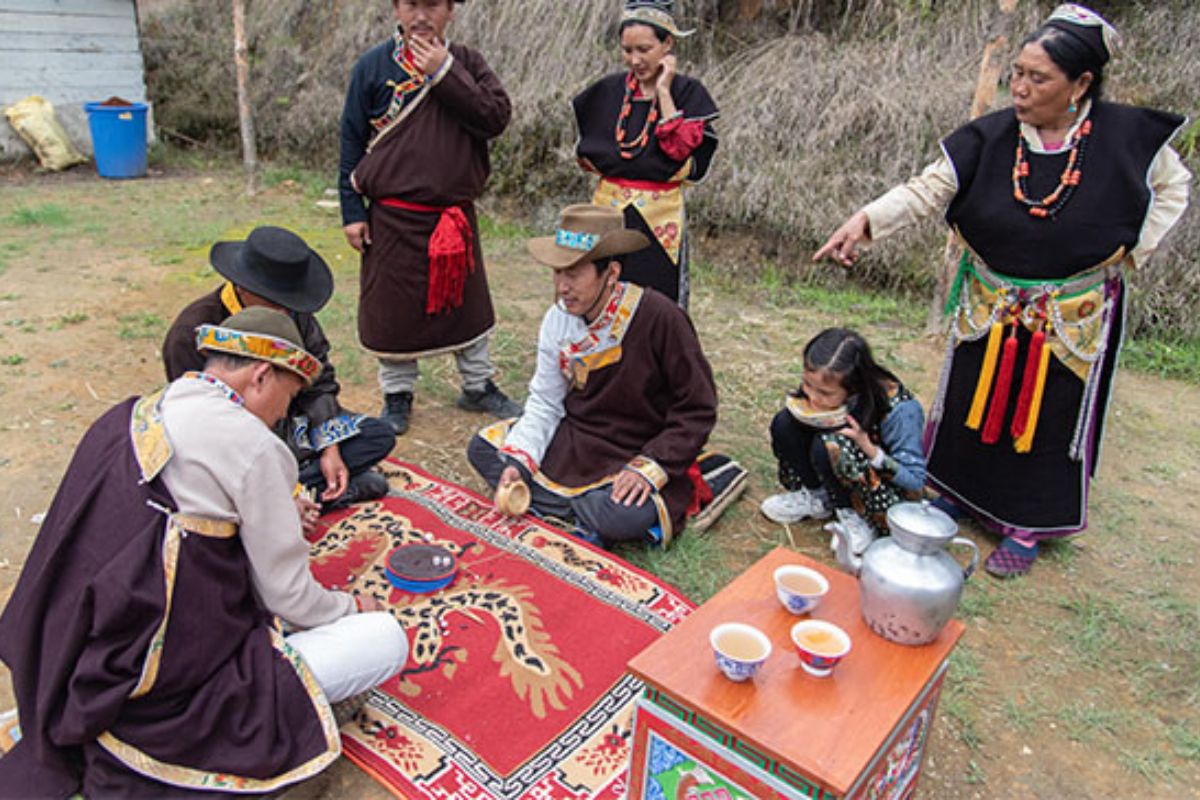
Simple Living, Rich Traditions
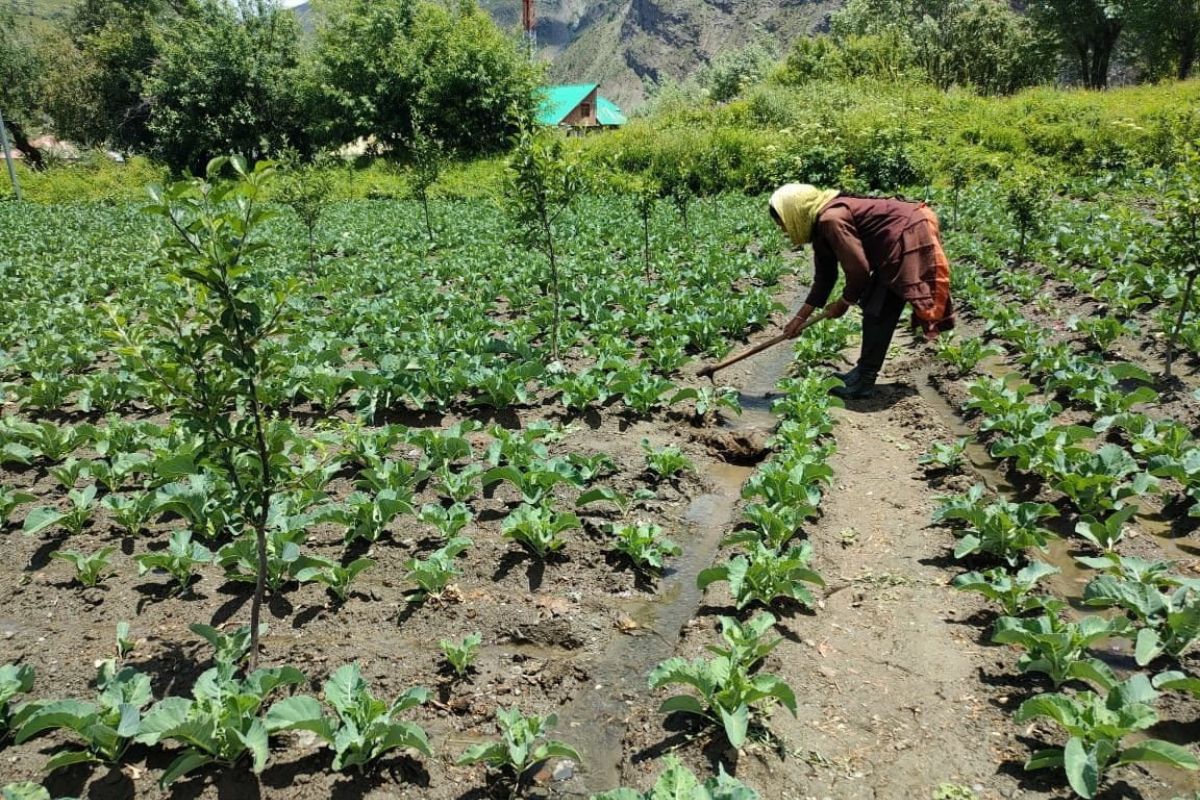
Farming in the Himalayan Valley
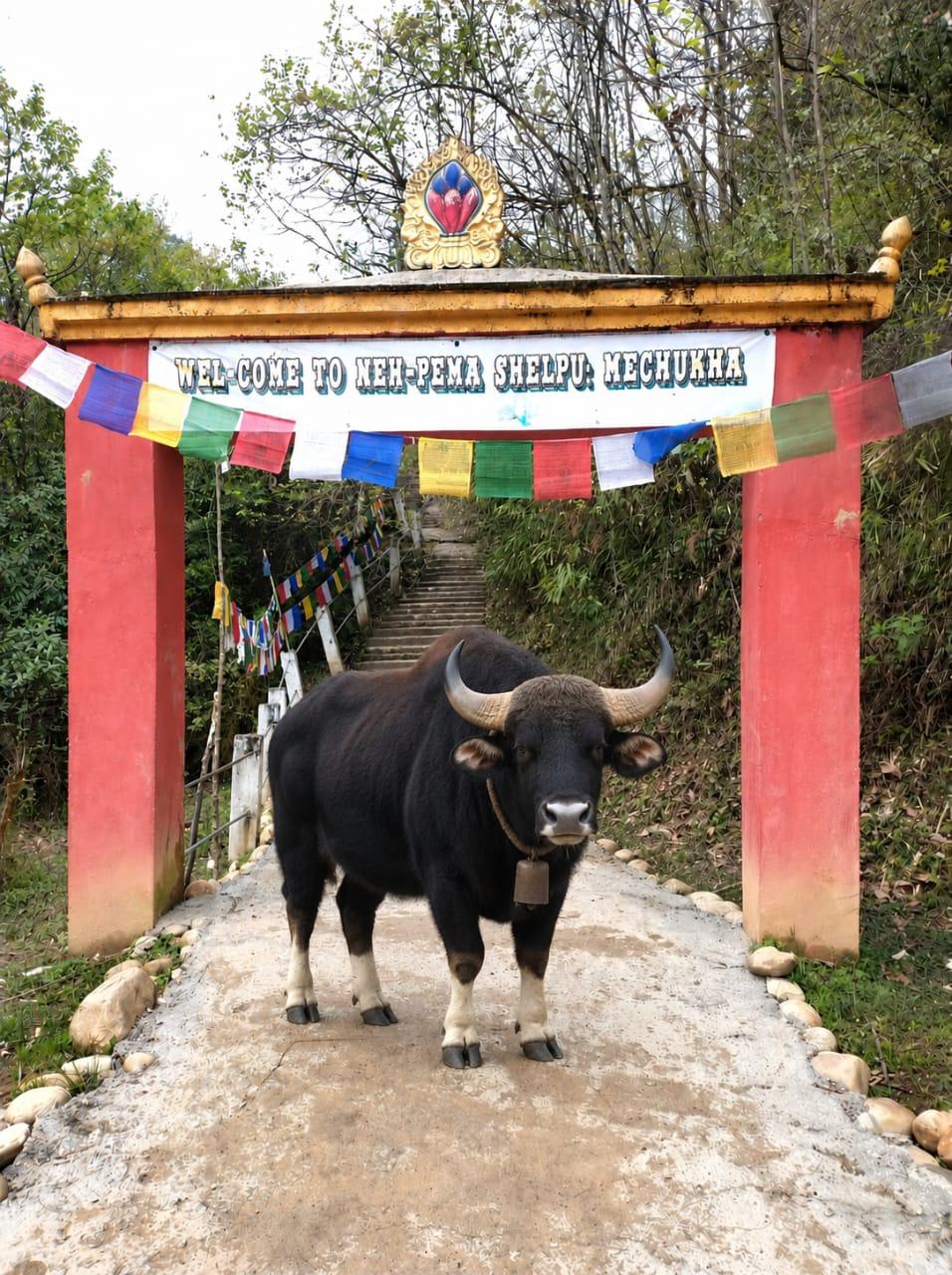
Traditional Livestock of the Himalayas
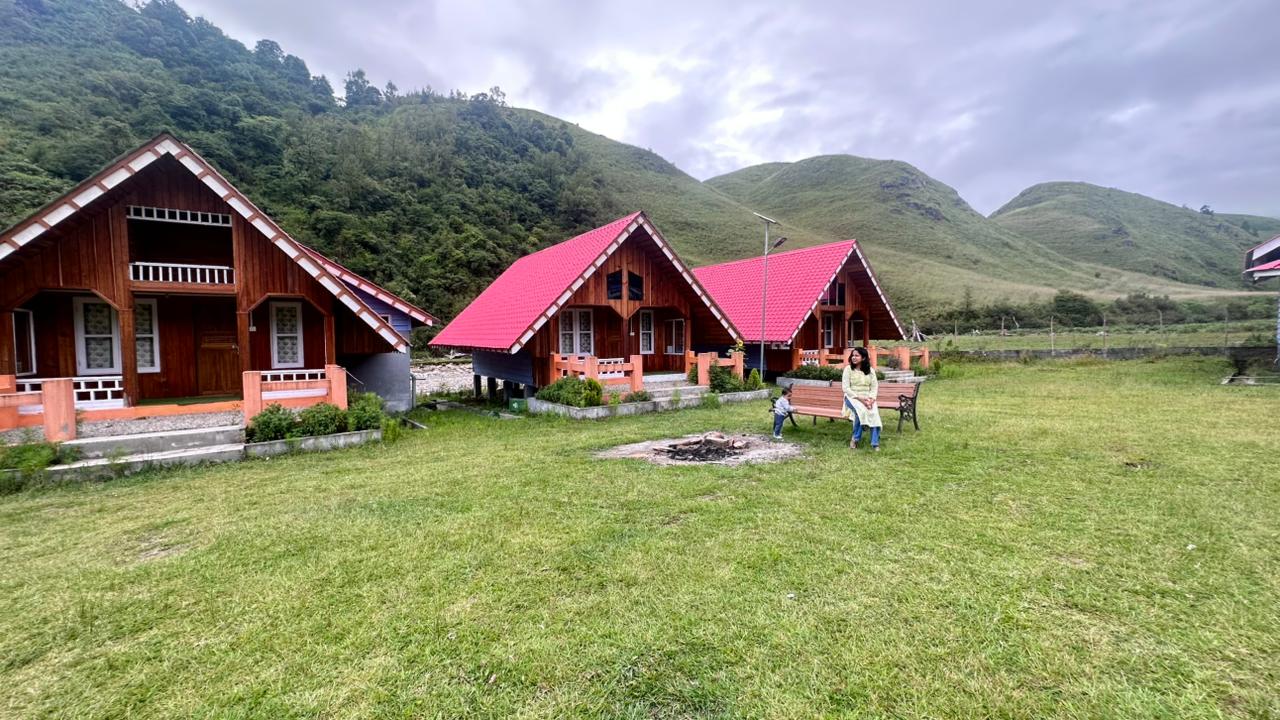
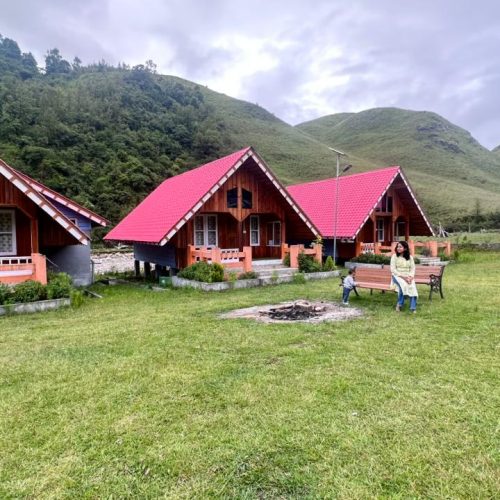
Architecture Inspired by Nature
Experience the timeless beauty of Himalayan wooden homes.
Why Menchuka is Special
A Destination Unlike Any Other
Where untouched landscapes, ancient traditions, and genuine hospitality create unforgettable travel experiences.
- Rich Himalayan History– A historic frontier valley with centuries-old trade routes and strategic significance.
- Ancient Buddhist Heritage– Home to the revered Samten Yongcha Monastery, Neh Pema Selphu, Neh Pemajeling, and other sacred Buddhist sites.
- Sacred Pilgrimage Sites– The historic Gurudwara Taposthan Sahib, associated with Guru Nanak Dev Ji, welcomes devotees from across the country.
- Unique Memba Culture– Experience vibrant traditions, colourful festivals, local cuisine, and warm Himalayan hospitality.
- Spectacular Mountain Landscapes– Snow-capped peaks, lush meadows, pine forests, and the crystal-clear Yargyap Chu River create breathtaking scenery.
- Peaceful Lifestyle– Escape the bustle of city life and embrace the serenity of a close-knit Himalayan community.
- Rich Biodiversity– Discover diverse flora, medicinal plants, rare birds, and wildlife thriving in an unspoiled ecosystem.
- Traditional Farming Practices– Witness sustainable agriculture that has supported local communities for generations.
- Authentic Wooden Architecture– Admire beautifully crafted traditional Memba homes built using indigenous techniques that reflect the region’s cultural heritage.
Whether you seek adventure, spirituality, photography, culture, or simply a peaceful retreat, Menchuka offers experiences that are authentic, enriching, and unlike anywhere else in the Himalayas.