- Home
- Culture & Heritage
Culture & Heritage of Menchuka
Culture & Heritage of Menchuka
Rich Cultural and Spiritual Heritage
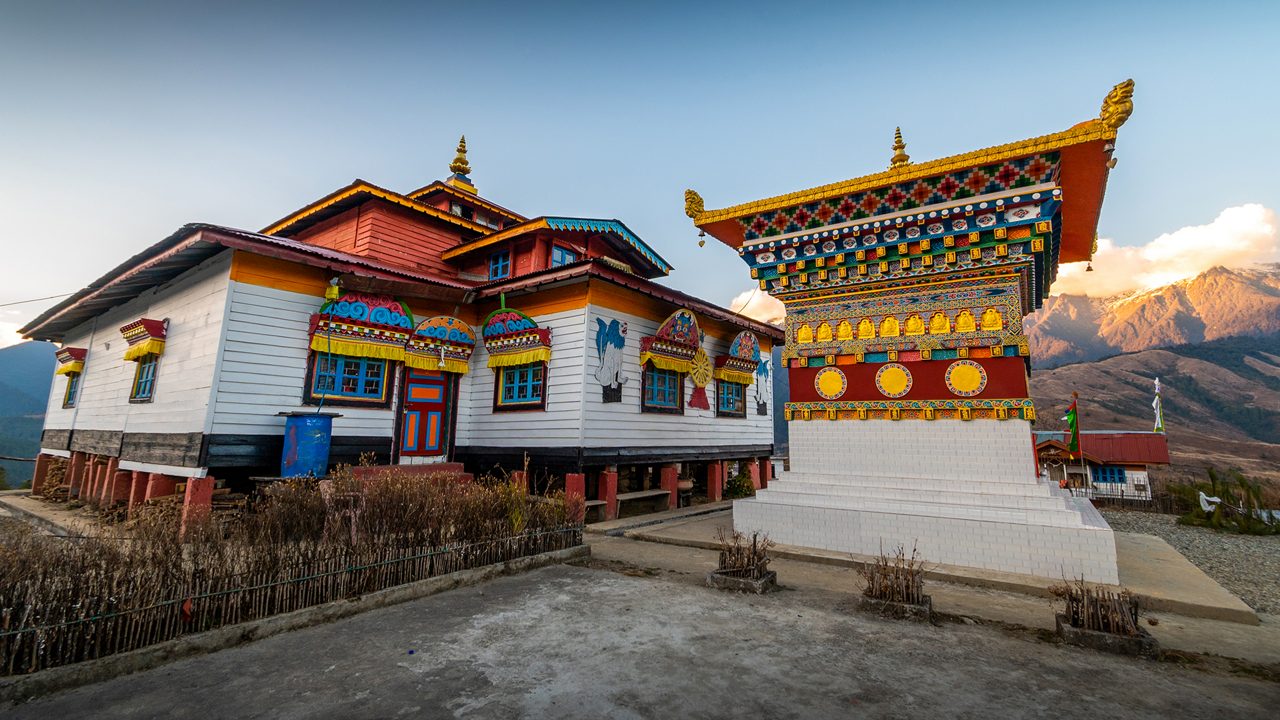
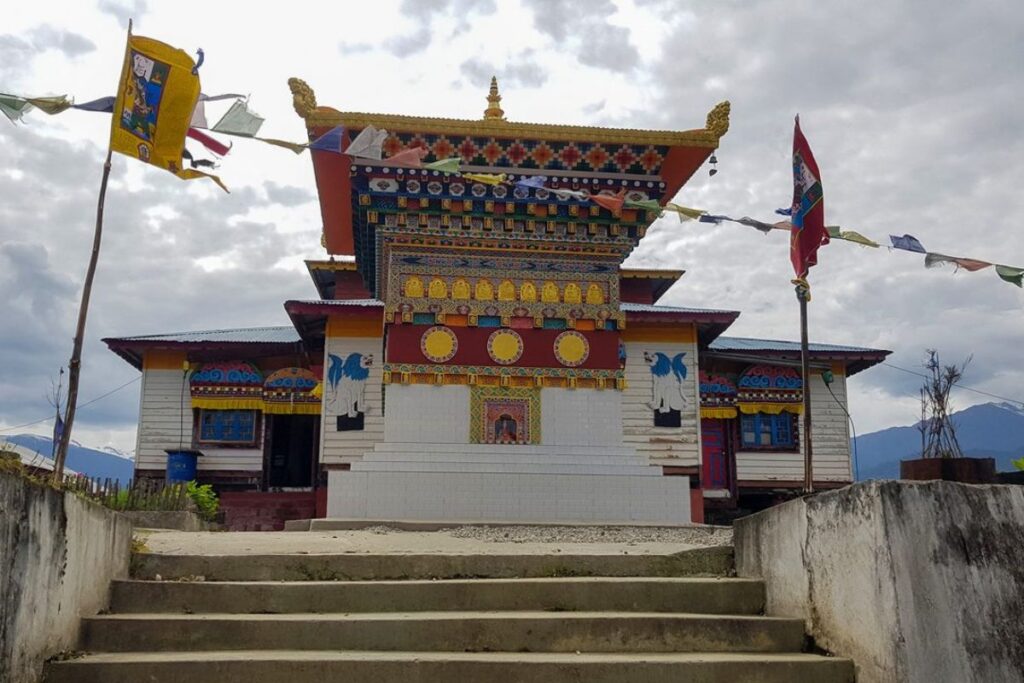
Menchuka is a land where culture, history, and spirituality come together to create a truly unique Himalayan experience. The valley is predominantly inhabited by the Memba community, whose traditions are deeply rooted in Tibetan Buddhism, while the Adi and Galo communities further enrich its cultural fabric. At the heart of Menchuka’s spiritual heritage is the centuries-old Samten Yongcha Monastery, one of the oldest Buddhist monasteries in Arunachal Pradesh and a revered centre of learning and prayer. The valley is also home to the sacred Gurudwara Taposthan Sahib, believed to commemorate the visit of Guru Nanak Dev Ji during his first Udasi, making it an important pilgrimage site for Sikhs.
Other revered sites include Neh Pema Selphu, a sacred meditation cave associated with Guru Padmasambhava (Guru Rinpoche), and Neh Pemajeling, another spiritually significant location revered by Buddhist devotees. Colourful prayer flags, mani walls, ancient chortens, traditional Memba villages, and vibrant festivals such as Losar reflect the valley’s enduring cultural traditions. Visitors can experience authentic Himalayan hospitality, witness age-old customs, and explore these sacred landmarks that continue to inspire faith and preserve Menchuka’s remarkable cultural legacy.
People of Menchuka
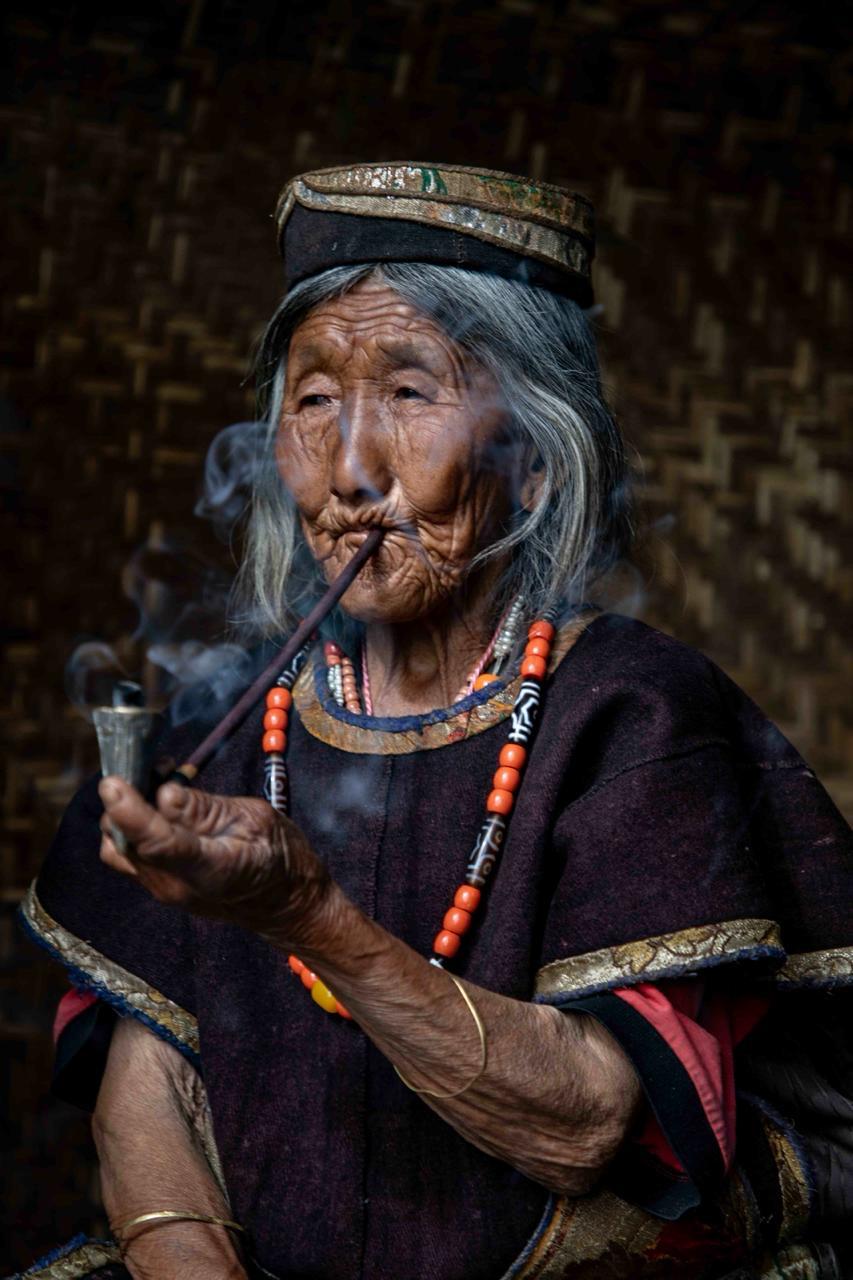
The Memba tribe has lived in the Menchuka Valley for generations, preserving a rich cultural heritage rooted in Mahayana Buddhism. Traditionally connected to trans-Himalayan trade routes, the Memba people are known for their peaceful lifestyle, spiritual beliefs, and close relationship with nature. Their customs, festivals, and community values continue to define the cultural identity of Menchuka.
Religion
Festivals
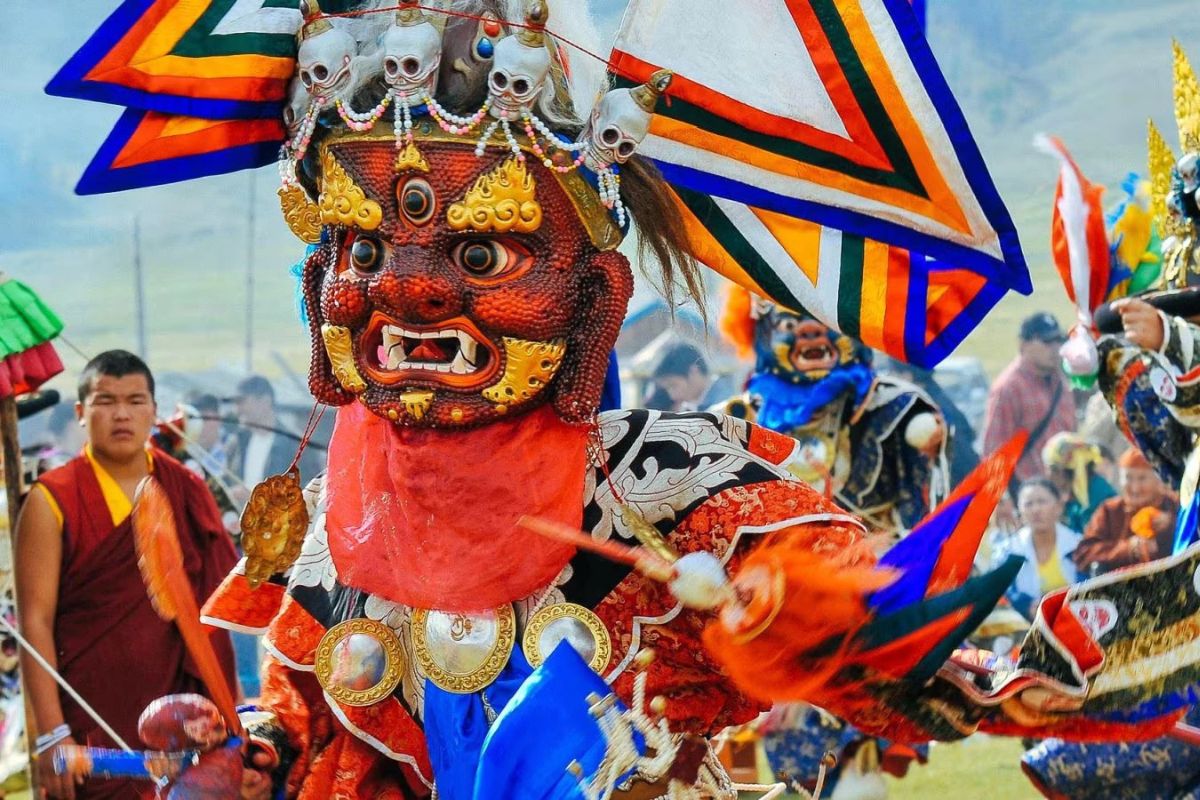
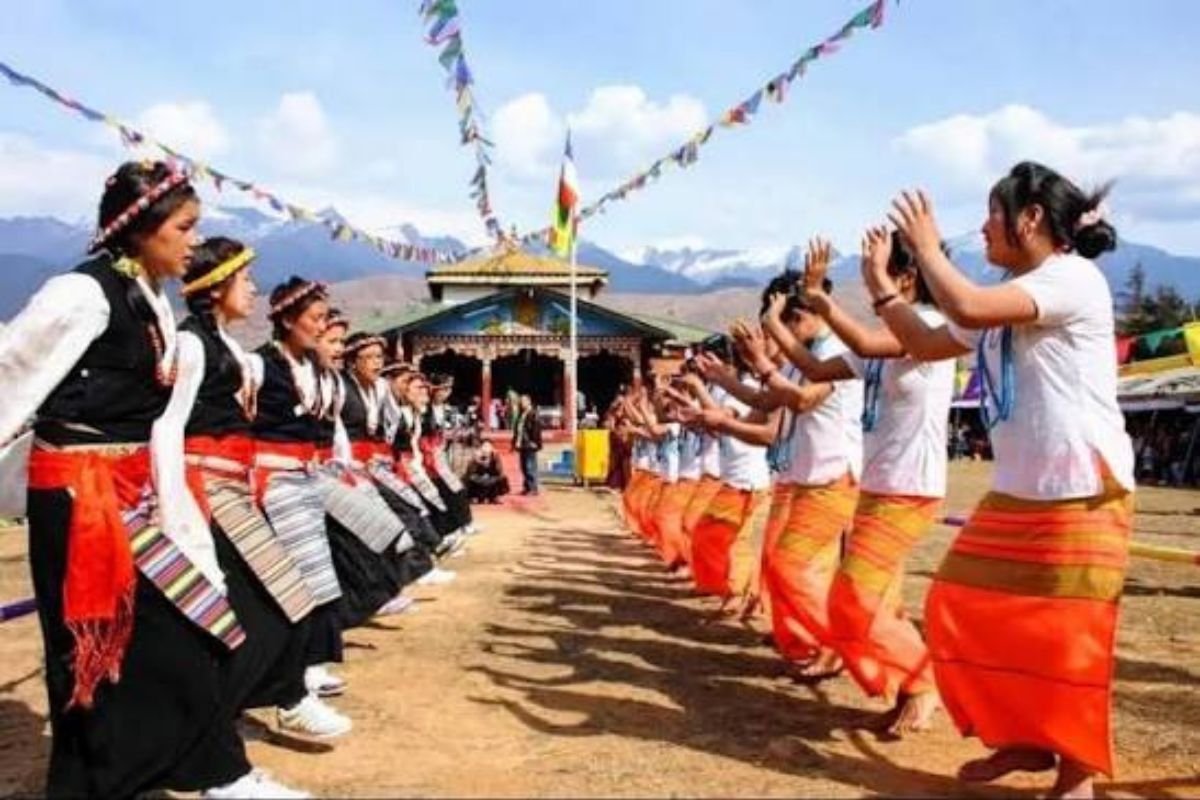
The festivals of Menchuka are a vibrant reflection of the valley’s rich cultural heritage, spiritual traditions, and strong sense of community. Celebrated with colourful attire, sacred rituals, traditional music, dance, and communal feasts, these festivals preserve centuries-old customs while bringing people together in joy and harmony. Rooted in the beliefs of the Memba, Adi, Ramo, Bokar, Libo, and other indigenous communities, every festival offers visitors an authentic glimpse into the region’s unique way of life. Whether it is the Buddhist New Year, a thanksgiving to nature, or a harvest celebration, the festivals of Menchuka beautifully showcase the valley’s living traditions, hospitality, and cultural diversity.
- Sonam Losar – The traditional Memba New Year festival celebrating renewal, peace, prosperity, and community through prayers, cultural performances, and festive gatherings.
- Si-Donyi Festival – A Tagin festival dedicated to Mother Earth (Si) and the Sun (Donyi), seeking harmony, prosperity, and abundant harvests through sacred rituals.
- Podi-Barbi Festival – A post-harvest thanksgiving festival of the Ramo, Bokar, Libo, and Pai communities celebrating nature’s bounty with rituals, folk dances, and communal feasts.
- Buddha Purnima – A sacred Buddhist festival commemorating the birth, enlightenment, and Mahaparinirvana of Lord Buddha through prayers, meditation, and butter lamp offerings.
- Saga Dawa – One of the holiest Buddhist observances, honouring Lord Buddha with prayers, charity, meditation, and religious ceremonies throughout the valley.
- Local Monastery Festivals – Year-round Buddhist religious celebrations featuring Cham dances, sacred rituals, prayers, and traditional ceremonies that preserve Menchuka’s spiritual heritage.
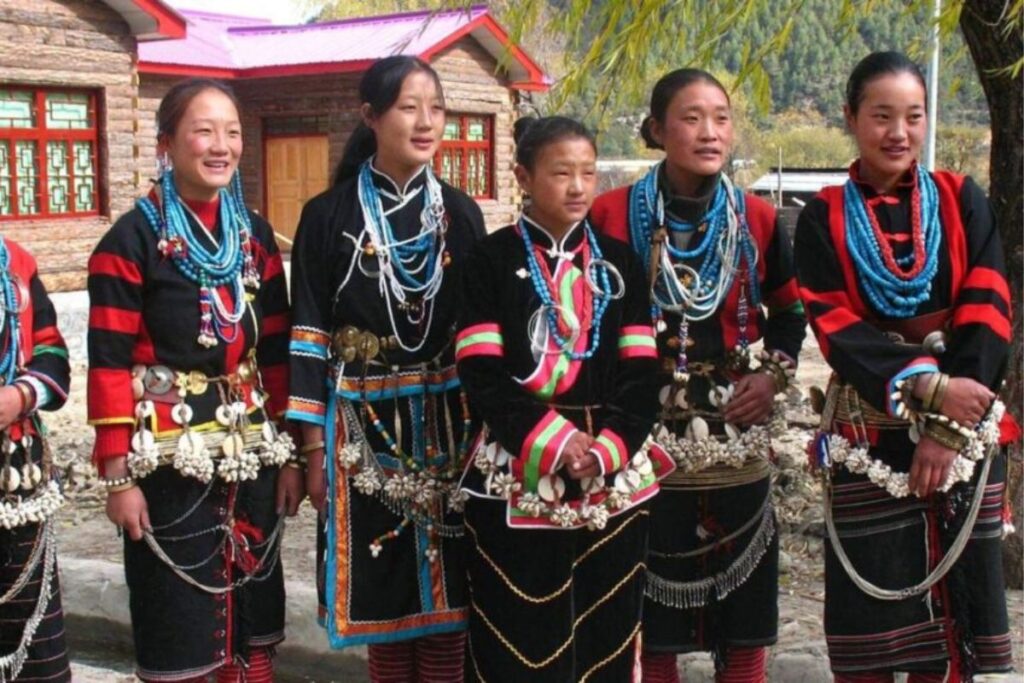
Traditional Dress
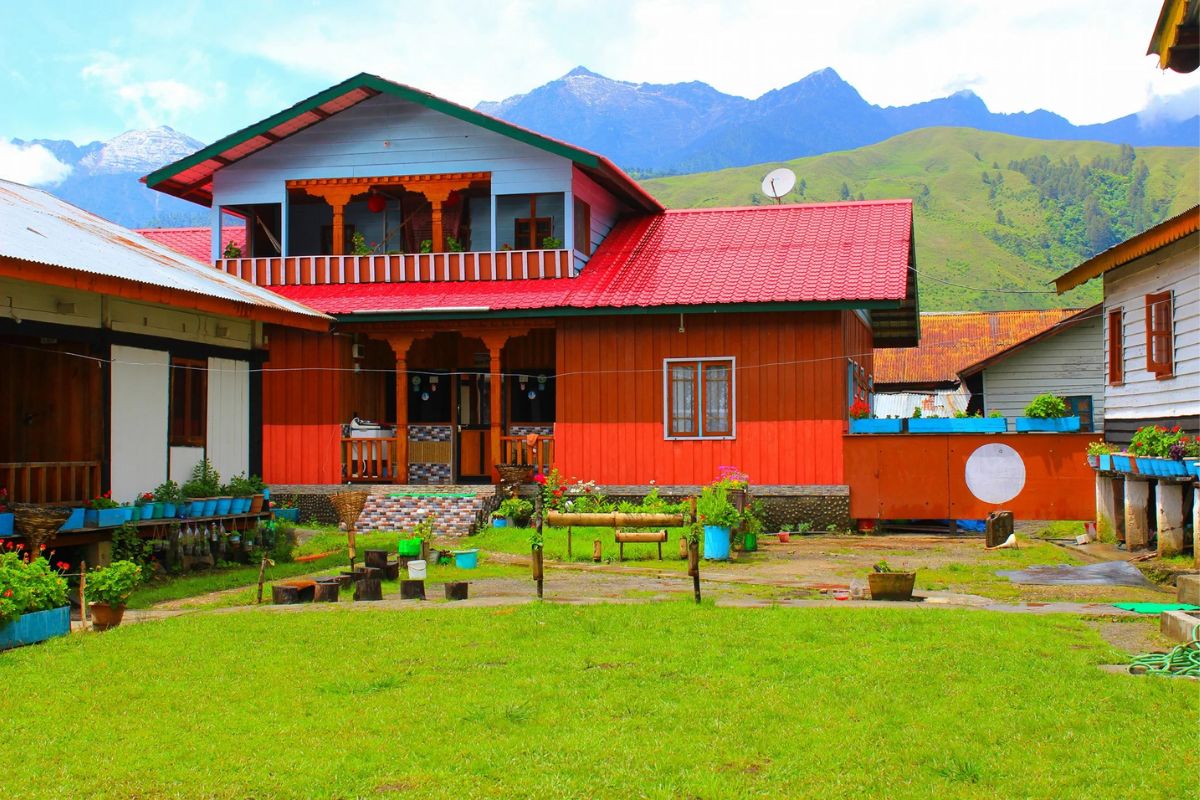
Traditional Houses
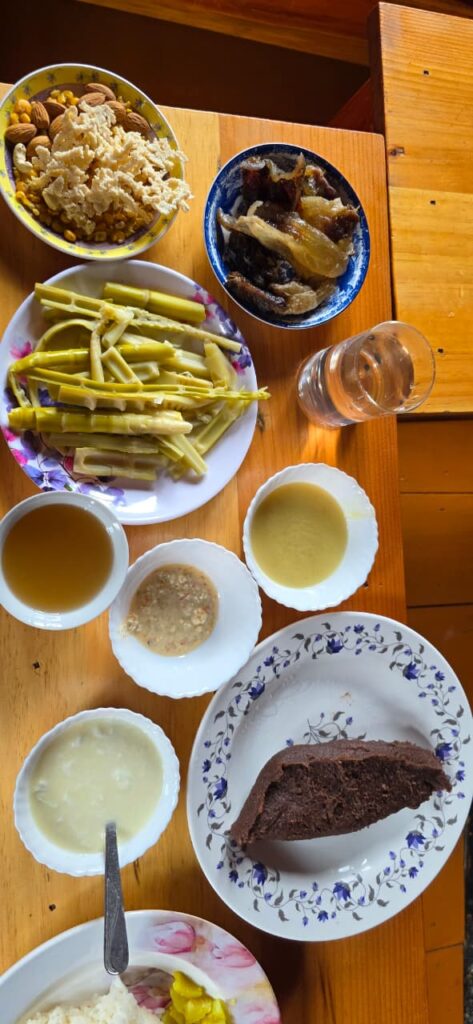
Cuisine
- Paa – A traditional Memba vegetable stew made with fresh greens, herbs, and sometimes smoked or yak meat, served with rice or Zan.
- Churkomb – A flavourful Memba dish prepared with fermented Himalayan cheese (Chhurpi), local vegetables, herbs, and chillies.
- Deboga – A wholesome preparation of fresh mountain vegetables, wild greens, and local herbs, showcasing Menchuka’s organic cuisine.
- Thukpa – A comforting Himalayan noodle soup with vegetables, herbs, and meat or eggs, perfect for the cold mountain climate.
- Momos – Steamed dumplings filled with vegetables or meat, served with spicy local chutneys and loved across the valley.
- Zan (Tsampa) – A nutritious staple made from roasted barley, millet, or buckwheat flour, traditionally eaten with stews and curries.
- Khura – A soft buckwheat pancake served with butter, honey, vegetables, or chutneys, popular as a traditional breakfast.
- Chhurpi – A protein-rich Himalayan cheese made from yak or cow’s milk, enjoyed fresh, cooked, or as a chewy snack.
- Butter Tea (Po Cha) – A traditional Himalayan tea made with butter, salt, and milk, valued for warmth and hospitality.
- Smoked Meat with Bamboo Shoot – Smoked pork, beef, or yak cooked with bamboo shoots and mountain herbs, offering a rich smoky flavour.
- Gyathuk (Gyathuk Noodle Soup) – A hearty handmade noodle soup with vegetables, herbs, and meat or eggs, ideal for chilly weather.
- Apong – A traditional fermented rice or millet beverage served during festivals and social gatherings across the region.
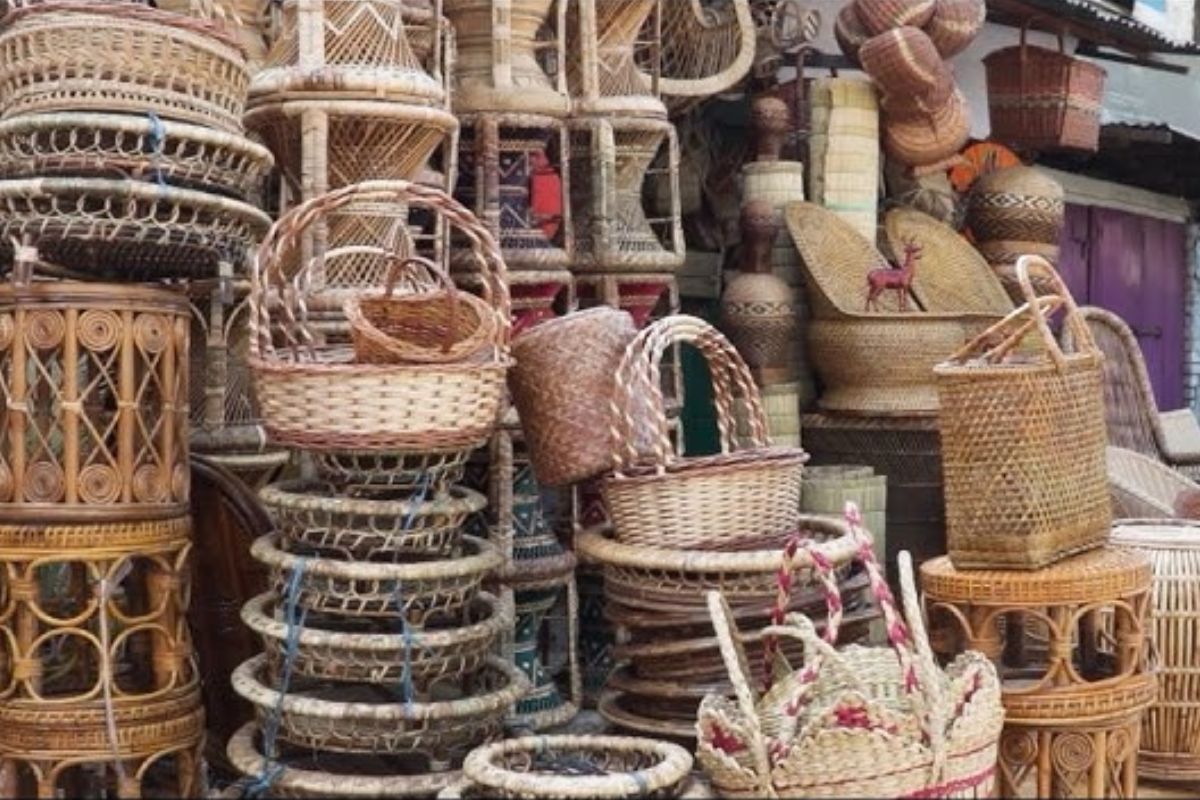
Handicrafts
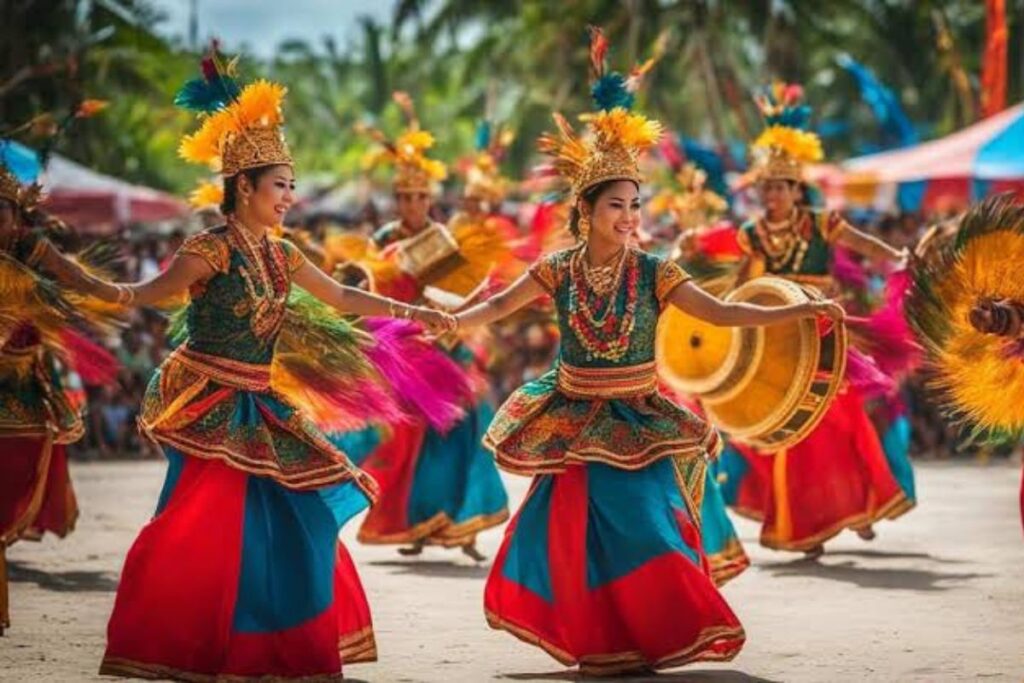
Folklore
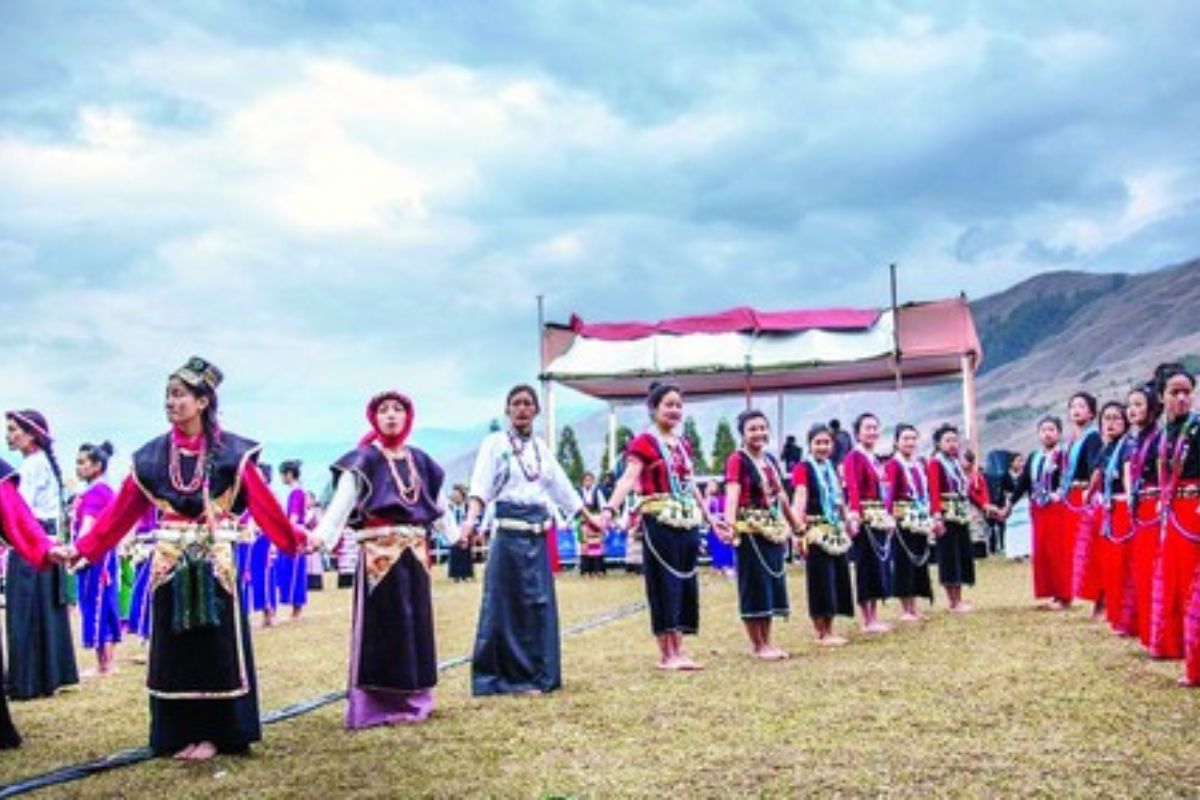
Music
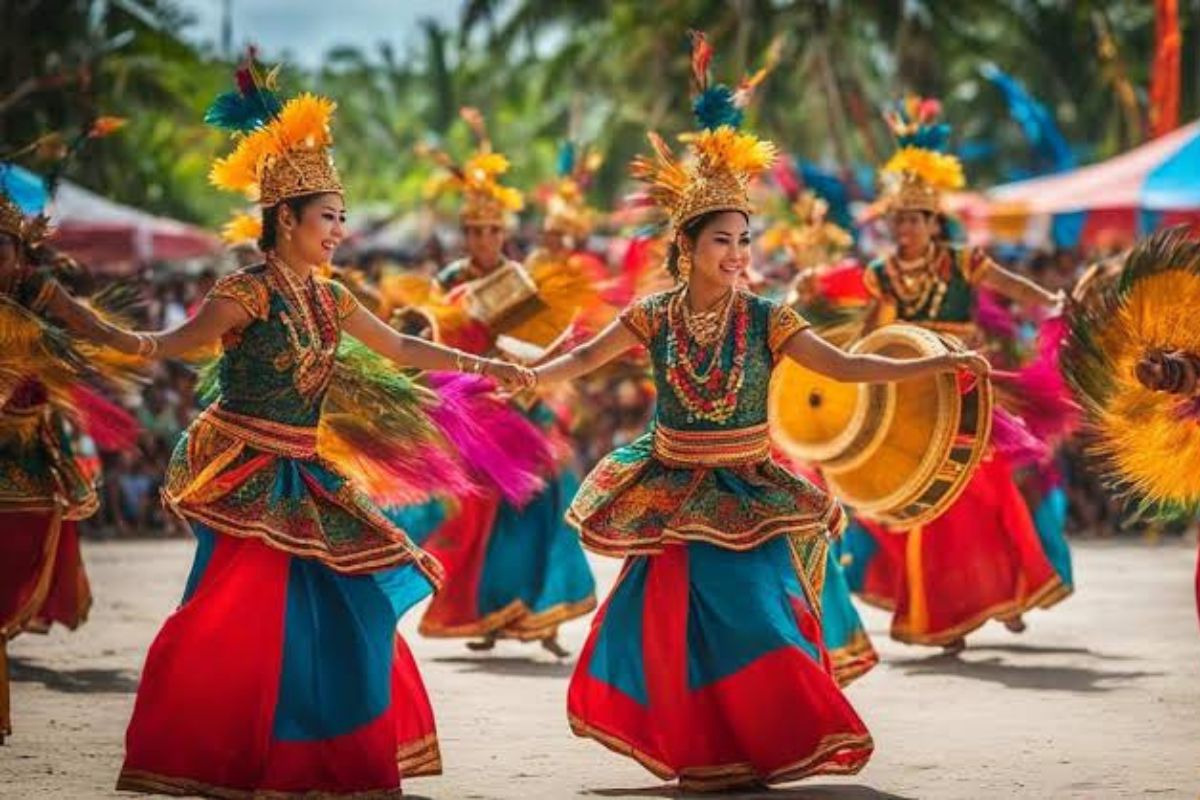
Dance
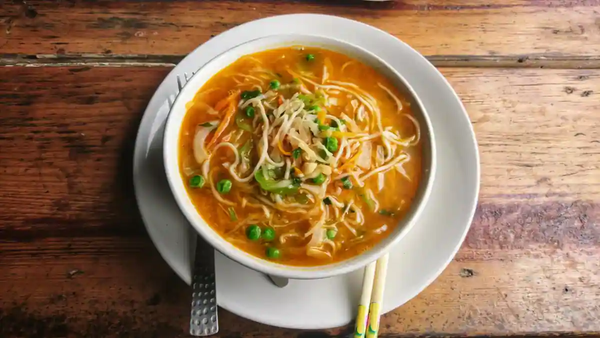
Hospitality
Cultural Etiquette
- Remove shoes before entering monasteries when requested.
- Dress modestly at religious sites.
- Ask permission before photographing local people.
- Respect prayer halls and sacred places.
- Avoid littering and protect the environment.
- Support local artisans by purchasing authentic handicrafts.
- Respect local customs and community traditions.